Presented by NMC and Delmar Hall
Autechre (sold out)
w/ special guests Mark Broom & Deep Glens
Sunday, October 19th, 2025 | 6pm doors / 7pm Deep Glens / 8pm Mark Broom / 9pm Autechre
Delmar Hall ( 6133 Delmar Blvd, 63112 / map )
all ages event (please bring id)
General Admission tickets are $40.00 in advance / $45.00 day of show, and are no longer available through Delmar Hall. We apologize, but NMC season passes cannot be used for this event.
- We apologize, but NMC season passes cannot be used for this event.
- Please note there is a Ticketmaster service fee making the online checkout total $50.20
- To avoid Ticketmaster fees: No fees on cash purchases at Delmar Hall Box Office once the general onsale exists (Monday). Delmar Hall Box Office is open Tuesday and Friday 10a-4p and also during shows.
Rob Brown – electronics
Sean Booth – electronics
Mark Broom – DJ
Deep Glens – electronics
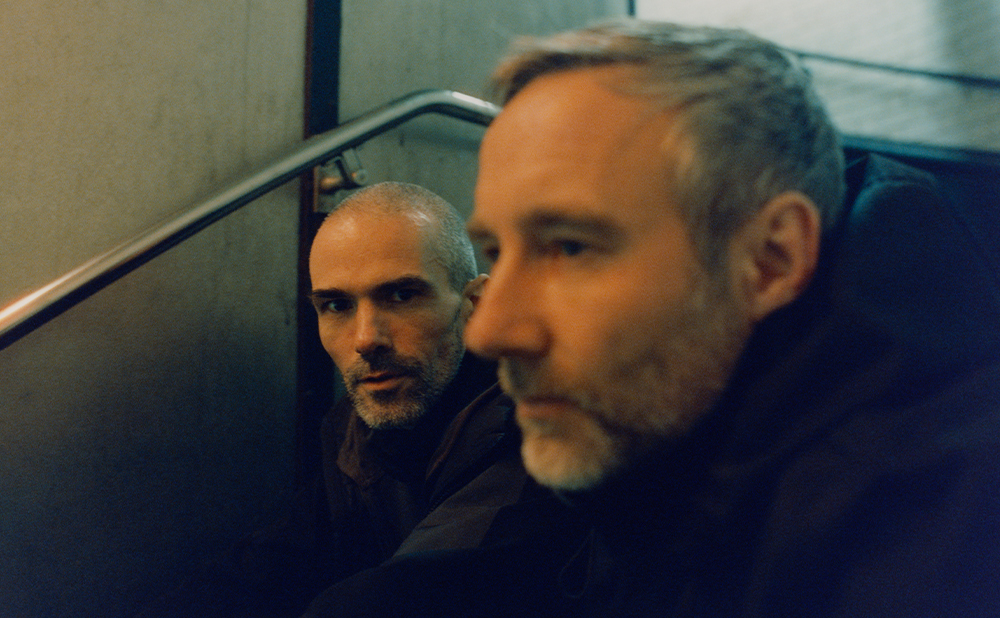
Autechre
NMC is excited to announce a St. Louis date to Autechre’s highly anticipated North American tour. They have not performed in these territories since 2015, and this tour will see them playing roughly 27 US cities on their upcoming tour (most of which sold out upon announcement).
Autechre is a British electronic music duo formed in 1987, consisting of Rob Brown and Sean Booth. They are known for their highly experimental and often abstract electronic music, blending elements of techno, IDM, and experimental electro. They initially gained attention in the early 1990s with releases on Warp Records, including their debut album Incunabula. Autechre’s sound has evolved over time, becoming increasingly complex and less melodic, with a focus on intricate rhythms and sound design. For years, Autechre have been known for some of the most forbiddingly complex electronic music out there. Their roots are in rave, yet their sympathies – and their mind-melting approach to rhythm and timbre – lie closer to avant-garde heavyweights like Iannis Xenakis.
Rob Brown and Sean Booth met as teens in the late ’80s. Speaking to Future Music in 1994, Booth recalled how the pair bonded over a shared interest in hip-hop, electro and DJing; “We used to do turntable mixes together at Rob’s house and then go to my house and edit and cut ’em up, imitating early Mantronix stuff with pause-button edits on my cassette deck.”
The duo’s early experiments made use of the Casio SK1 and Roland TR-606, and a pre-computer recording set-up saw the Roland R-8 drum machine, Juno-106, Tascam 4-track and a DJ mixer turned towards creating ghostly, fractured beats that would catch the attention of the now-revered label Warp Records in 1991, leading to a feature on the imprint’s highly influential 1992 compilation Artificial Intelligence.
Since signing with Warp, Autechre has released 15 studio albums with the label and even more EPs. The duo’s style has evolved dramatically in that time, but such is the varied and freeform nature of Autechre’s music, attempts to categorize it within a fixed style or mode are futile.
Autechre’s esoteric approach is underpinned by a relentless curiosity and a desire to master the tools used to make their music. “There isn’t one thing about the gear that we’re using now that we don’t understand.” Since then, they’ve shifted their focus from hardware to software, becoming fluent in the visual programming language Max/MSP, which they use to design synths, sequencers and effects from the ground up in code. Autechre’s vastly complex Max patches have become the stuff of music tech legend.
From the acid-tinged electronics of Incunabula and the crackpot glitch-hop of Chiastic Slide through to the mind-expanding abstraction of their NTS Sessions and the luminous textures of 2020’s Sign, the only consistent feature in Autechre’s output has been an unflagging commitment to experimentation. That term is thrown around a lot these days, but in the case of Autechre’s work, it applies quite literally; listening to their music, you get the sense you’re eavesdropping on a kind of sonic research project. It’s this uncompromising and radically inventive approach that makes them true pioneers of electronic music-making.
Bandcamp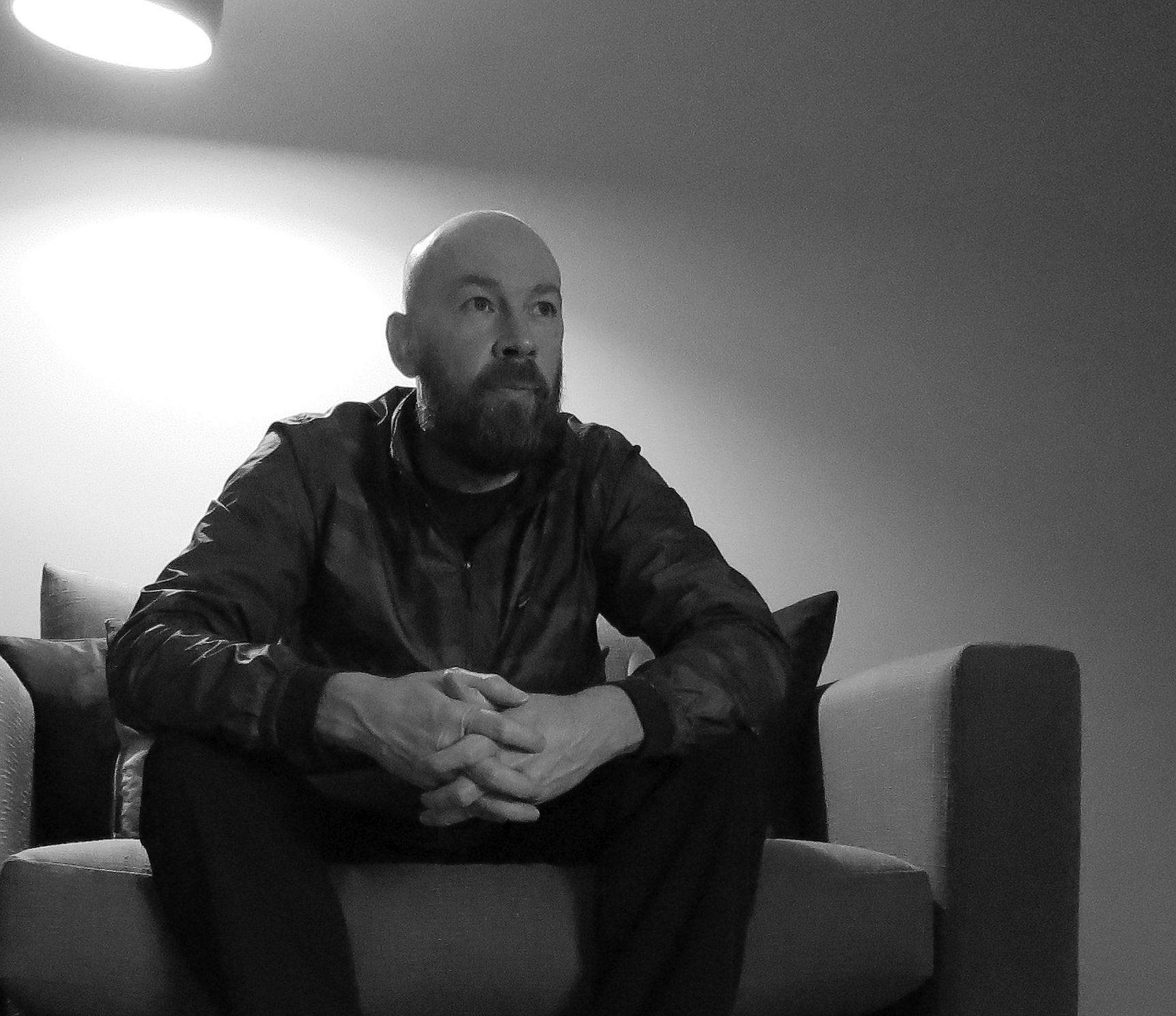
Mark Broom
Mark Broom is a British DJ and music producer known for his prolific work in techno, house, and related genres. He began his career in the late 1980s after discovering Chicago house and acid house music during a trip to Tenerife. Broom has released a vast catalog of music on respected labels like Rekids, Warp, M-Plant, and his own imprint, Beard Man. He’s also known for collaborations and work under various aliases, including The Fear Ratio with James Ruskin.
It all started in the summer of ’89 when he landed in Tenerife on vacation and stumbled across the delights of the emerging sounds of Chicago and Acid House. Returning to the UK, he immediately went in search of this new found music, a pair of turntables were bought and with it a musical career was born. He has also had the pleasure of reworking material from artists such as Robert Hood, Floorplan, Alan Fitzpatrick and Gary Beck.
An excellent profile interview with Mark Broom may be found here.
BandcampDeep Glens
Brett Bullion is an engineer, mixer, producer and composer based in Minneapolis, MN. He’s recorded and engineered music by artists such as The Bad Plus, Low, Margaret Glaspy, Lizzo and Bad Bad Hats.
Under the name Deep Glens, Brett builds custom logic-based sequencers in Max/MSP to control drum machines and synthesizers; creating data feedback and capturing the results in an organic stream-like fashion. He released his first collection of compositions, titled Earn Grips, in 2023.
Bandcamp

